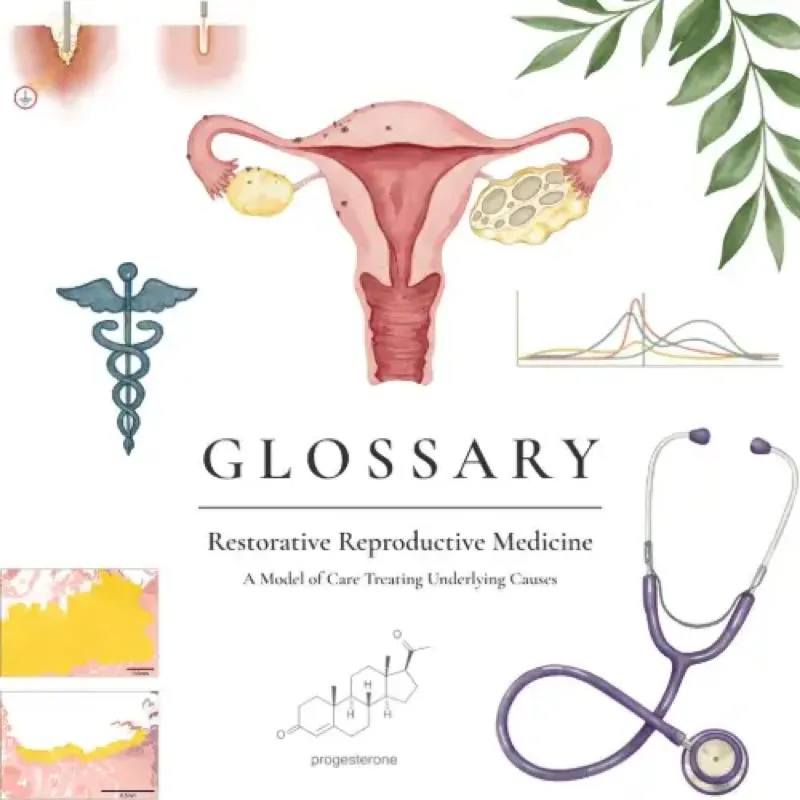
Glossary of Restorative Reproductive Medicine (RRM)
What is Restorative Reproductive Medicine (RRM)? Understand the key terms behind this health-focused approach that seeks root causes, not just symptom relief.

Women carry silent trauma in the current reproductive healthcare model, a journey often marked by years of feeling dismissed, their pain downplayed, their deepest concerns unmet.
They describe being "gaslit," their suffering made invisible, as they navigate a healthcare system that frequently offers only symptom suppression fixes—whether facing painful cycles, infertility, or hormone imbalances, the experience is often the same–prescriptions for hormonal birth control, dismissals of pain, or referrals for assisted reproductive technologies like IVF.
Women have a right to know about their body and for a physician who will truly listen, who will see their invisible suffering and bring truth to light. This is the painful reality for many before they discover that a different way forward exists.
Restorative Reproductive Medicine (RRM) offers a holistic, evidence-based approach to women’s reproductive health. It seeks not just to suppress or bypass symptoms, but to restore the body’s natural reproductive function by identifying and treating underlying health issues.
Restorative Reproductive Medicine (RRM) is a model of conventional medicine focused on diagnosing and correcting the underlying causes of reproductive and hormonal issues.
RRM treatments cooperate with or restore normal or optimal functioning of the human reproductive system. It avoids all treatments that seek to suppress, circumvent, or destroy functioning of the human reproductive system out of a respect for the value and integrity of the human body.
Recognizing that many women carry the impact of past medical experiences where they felt unheard or dismissed, RRM is fundamentally trauma-informed. It strives to offer a healing place that acknowledges these experiences and offers genuine support for women who may have been victimized by the current medical model.
This commitment is reflected in a strong emphasis on the rights of fully informed consent and adherence to appropriate scientific standards.
RRM practitioners use in-depth cycle tracking combined with advanced diagnostics to tailor treatments to each woman’s unique biology. Rather than viewing the reproductive system in isolation—or fertility as a switch to turn on or off—RRM approaches the cycle as a vital sign of a woman’s overall health.
Core principles of RRM:
By recognizing that a woman’s menstrual cycle reflects broader systemic health, RRM becomes a powerful diagnostic and healing tool—not just for those trying to conceive, but for all women seeking optimal hormonal and reproductive wellness.
A common question is: How is RRM different from what my OB-GYN or fertility specialist offers?
Example: The standard model of conventional medicine might address irregular periods by prescribing the pill for symptomatic 'regulation,' while RRM takes a different approach. By meticulously studying cycle biomarkers, RRM practitioners identify underlying root causes such as hormonal imbalances, thyroid dysfunction, or nutritional deficiencies. This enables the prescription of hormones and other interventions that cooperate with the body's natural hormonal signals, aiming to restore healthy function rather than simply manage symptoms.
“Women deserve individualized answers, not a one size fits all approach addressing symptoms.” —Dr. Whittaker, OB-GYN & Co-Founder, RRM Academy
Restorative Reproductive Medicine is not just for couples trying to conceive. It provides solutions for a wide range of women’s health conditions, including:
Because RRM focuses on restoring whole-cycle health, it’s an ideal approach for adolescents, women seeking options besides hormonal contraception, or those approaching perimenopause who want clarity around their changing cycles. You can explore patient-focused information about these conditions through organizations like FEMM Health and FACTS About Fertility.
While no two treatment plans are alike, RRM care often includes:
The most distinguishing feature of RRM is its reliance on real-time data from a woman’s own cycle. This makes the treatment proactive and personalized, rather than reactive or generalized. RRM practitioners may use hormone evaluations done at precise phases of the cycle (like peak +7 progesterone levels, also referred to as 7 DPO or days post ovulation) to fine-tune treatment. This level of detail allows for effective solutions without defaulting to IVF or suppressive therapies. You can see examples of this in action at clinics like Veritas Fertility & Surgery or Caritas Women’s Care.
A woman’s cycle is not just about fertility—it reflects hormonal health, thyroid function, metabolic balance, and more. Fertility Awareness-Based Methods (FABMs) are not “natural birth control” but biomarkers for tracking reproductive health. When interpreted by a trained provider, a woman’s chart can help detect:
That’s why organizations like IIRRM and FACTS are investing in educating clinicians and expanding research in this space. You can also find educational resources and clinical tools through Natural Womanhood’s FABM resource center.
In an era where too many women feel like they’re being treated with a “band-aid approach” to health, RRM offers something radically different: time, attention, and science-based compassion. Whether you’re navigating infertility, chronic pain, or just want better answers about your cycle, Restorative Reproductive Medicine helps you ask the right questions—and gives you the tools to restore balance, function, and hope.
RRM is also fully aligned with the latest research on women’s health from sources like the NIH, CDC, and Office on Women’s Health. Its methods are data-driven, rigorous, and grounded in biology—not ideology. And most importantly, it honors the dignity of every woman’s body and story.
Whether you’re new to RRM or already exploring fertility awareness, here are trusted resources:
You can also follow our founder, Dr. Naomi Whittaker on Instagram and stay tuned to RRM Academy’s commentary section for in-depth content, upcoming podcast features, and professional training.
Here's a more detailed breakdown:
In essence, RRM offers a comprehensive and patient-centered approach to reproductive health, emphasizing natural conception and addressing the root causes of infertility and other reproductive health issues.
Restorative Reproductive Medicine is more than just another option—it’s a paradigm shift in how we care for women’s reproductive health. By combining cutting-edge science, whole-person care, and cycle-informed insight, the RRM model helps women reclaim agency over their health journeys. If you’re ready to move beyond symptom suppression and into a space of true healing, RRM may be the approach you’ve been looking for.
What is Restorative Reproductive Medicine (RRM)? Understand the key terms behind this health-focused approach that seeks root causes, not just symptom relief.
If you're a new mom feeling overwhelmed, anxious, or deeply sad after childbirth, you're not alone. Let's shed some much-needed light on the
NaProTechnology Surgery is a specialized form of gynecologic surgery focused on diagnosing and treating underlying reproductive disorders to restore normal anat...